Diagnosing churn and redesigning onboarding to double active communities
Local community-building cross-platform tool for neighbors with shared interest and purpose Bailiwik
Product Designer
Collaborated with 1 PM & 1 Lead Engineer
6 weeks
Onboarding redesign for web app
Freelance
UX
Constraint: Reduce drop-off without expanding product scope or rebuilding the platform
Outcome: Projected 80% churn reduction and 2x active communities after shipping
Diagnosed the highest-leverage churn point and redesigned onboarding around host activation and community creation
2x active communities
80% reduction in churn
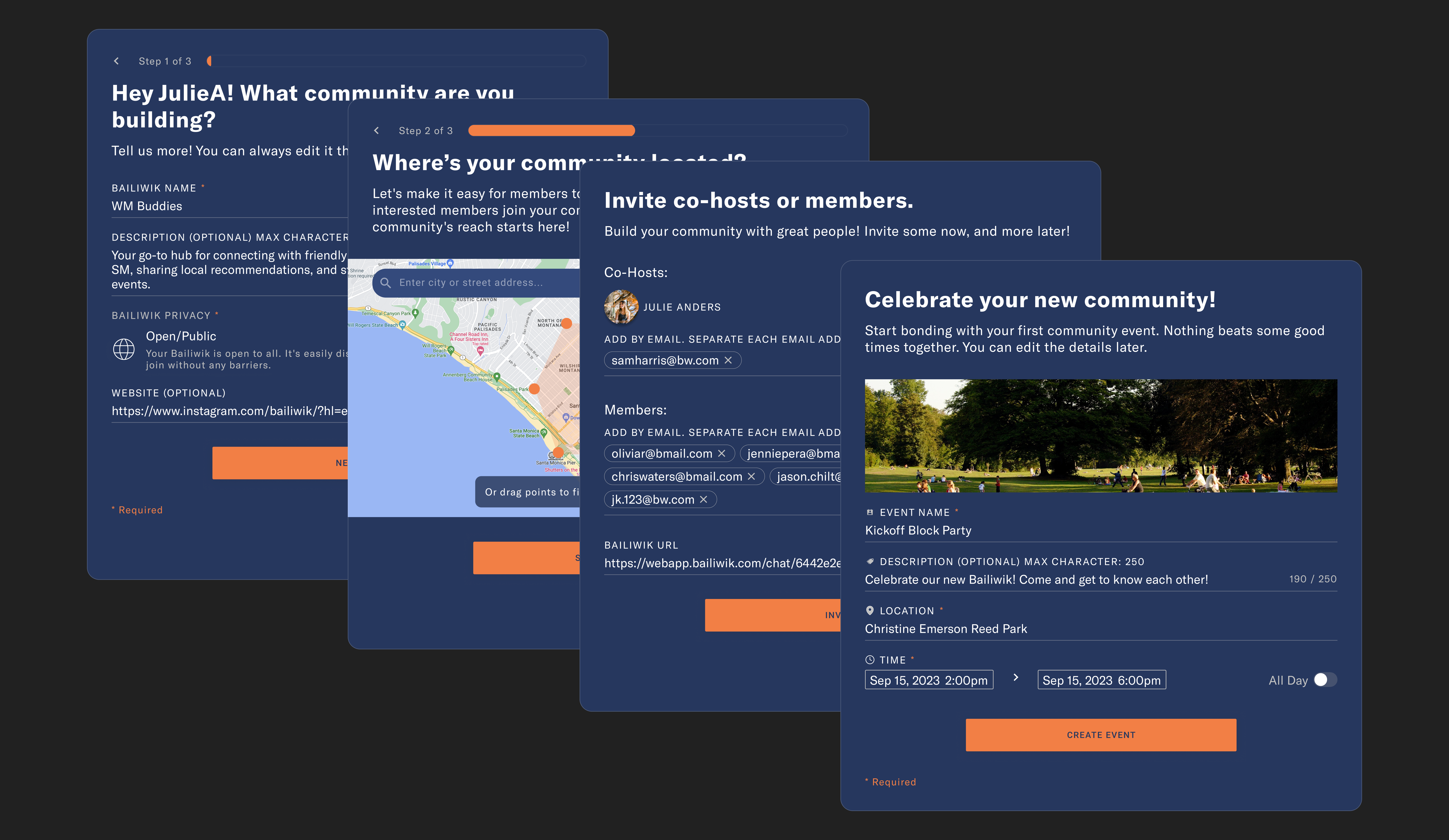
A platform losing communities before they started
Bailiwik had a churn problem. High dropout rates and inactive communities were putting the platform's growth at risk. The client brought me in to diagnose why and redesign the onboarding experience that was losing people before they ever built anything.
The redesign was completed and ready to ship. The client ran out of resources before implementation.
Upon implementation, the onboarding redesign is projected to 2x active communities and reduce onboarding churn by 80%.
Understanding why the existing research wasn't enough
A 12-page UX research report confirmed what the client already knew: the app didn't meet user expectations and the experience was confusing. But the research never addressed the root question: why do people sign up for a community app in the first place?
Without understanding the motivation, fixing the experience would only solve half the problem. I audited the platform myself and ran a competitor analysis and quick poll with potential users to fill that gap.
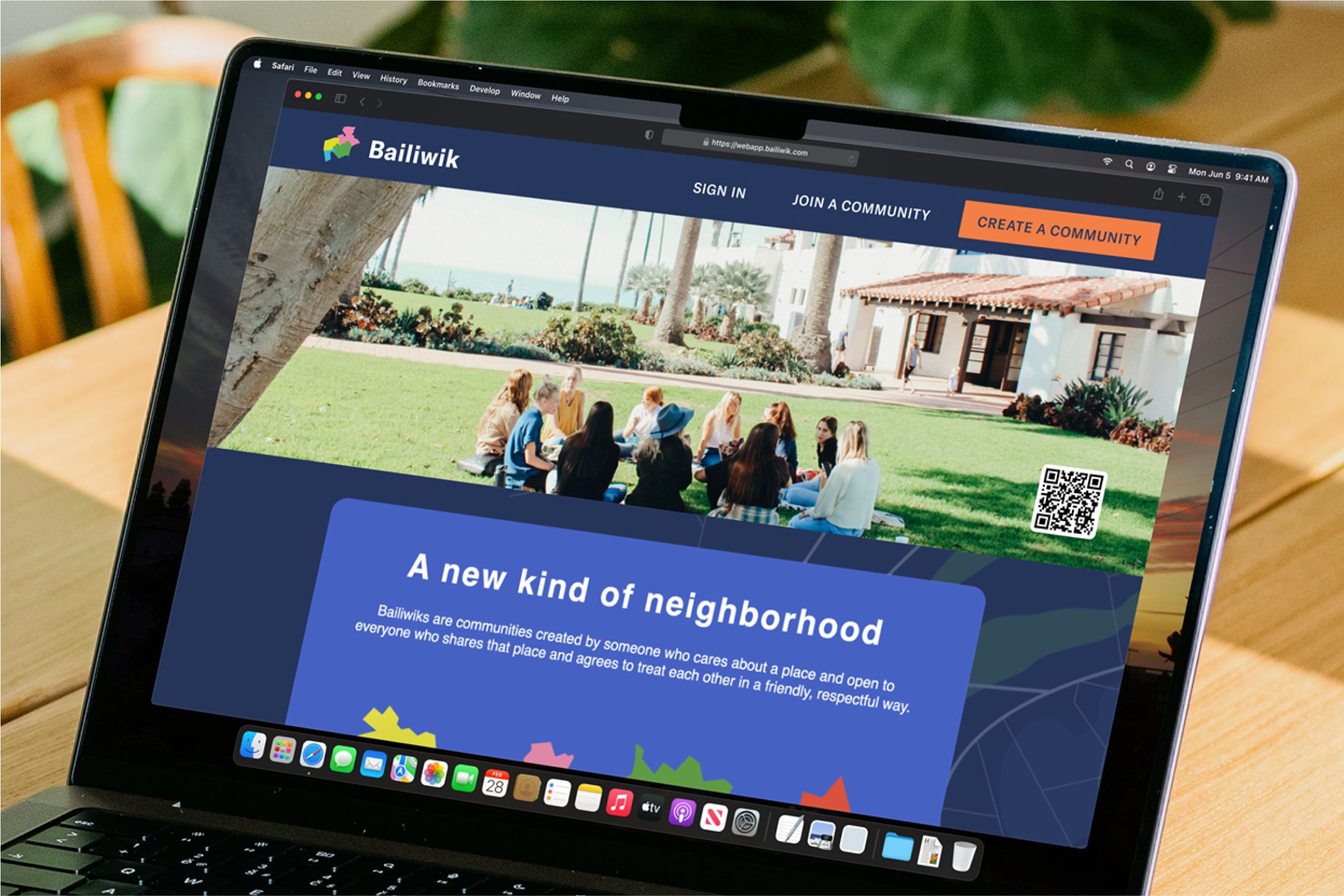
Two user groups, one missing insight
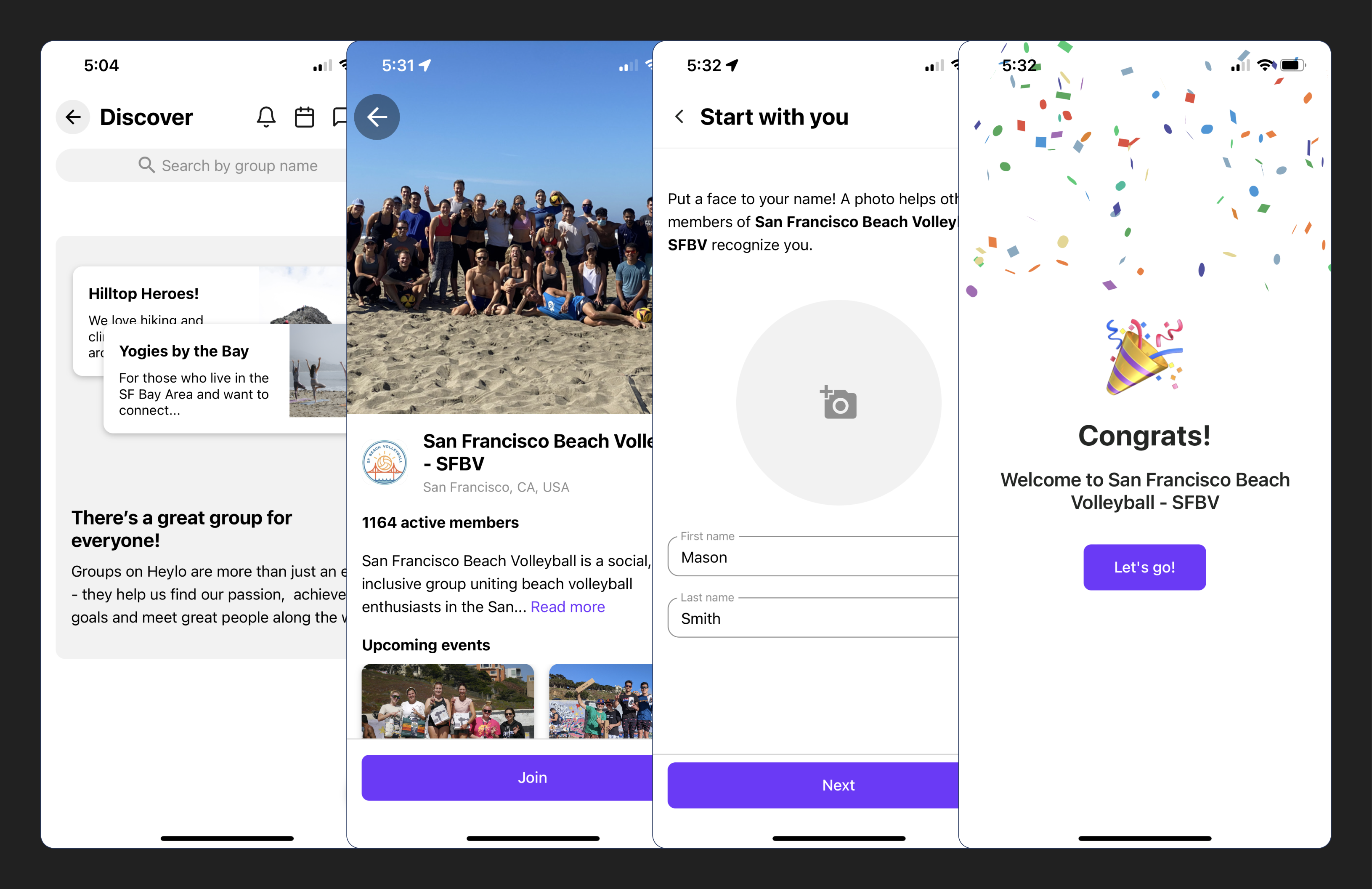
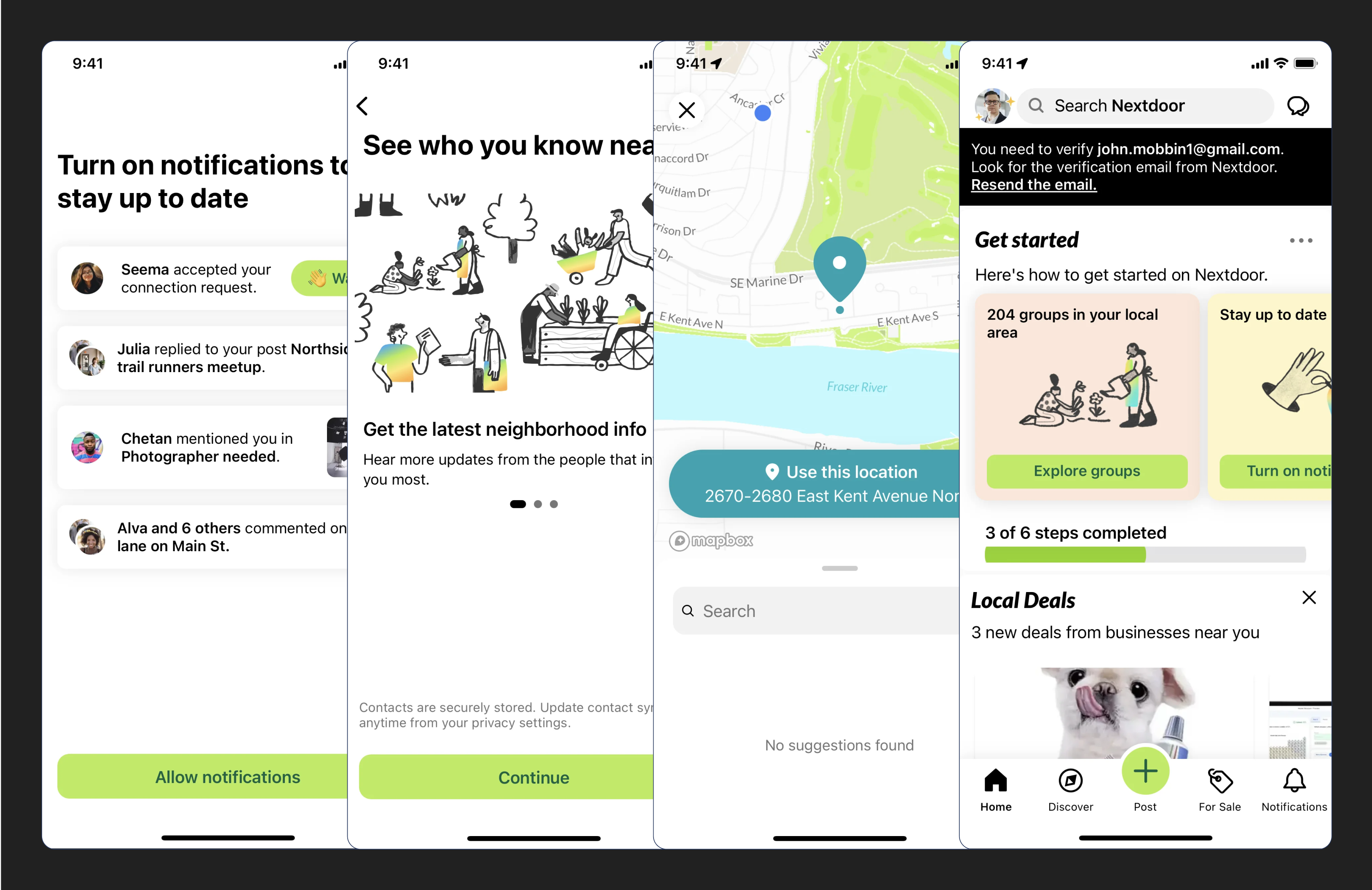
The poll uncovered what the existing research hadn't: people want a community app that suggests groups based on shared interests and proximity. Bailiwik only filtered by location. Users had to browse and discover on their own, which meant most never found a community worth joining.
Two distinct user groups emerged: members looking to connect over shared interests, and hosts mobilizing people around a shared purpose. Both were underserved by the same broken discovery experience.
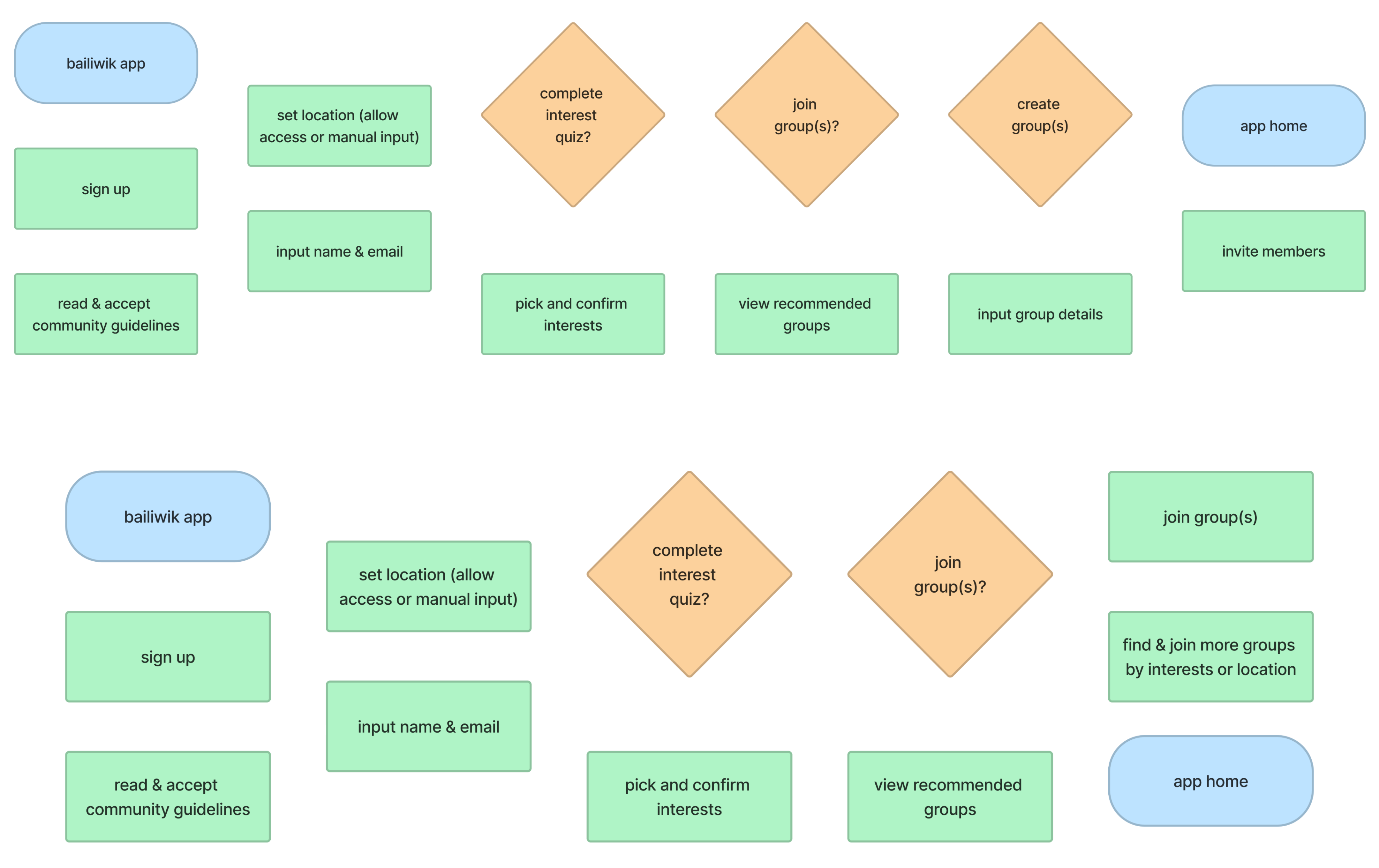
The highest leverage decision under real constraints
With limited time and resources, the client made the call: focus on host onboarding only. The strategic logic was sound.
Hosts are the foundation of any community platform. No hosts, no communities. No communities, no members. Fixing host onboarding first wasn't just a resource decision, it was the highest leverage point in the entire product. Get hosts activated and everything downstream improves.
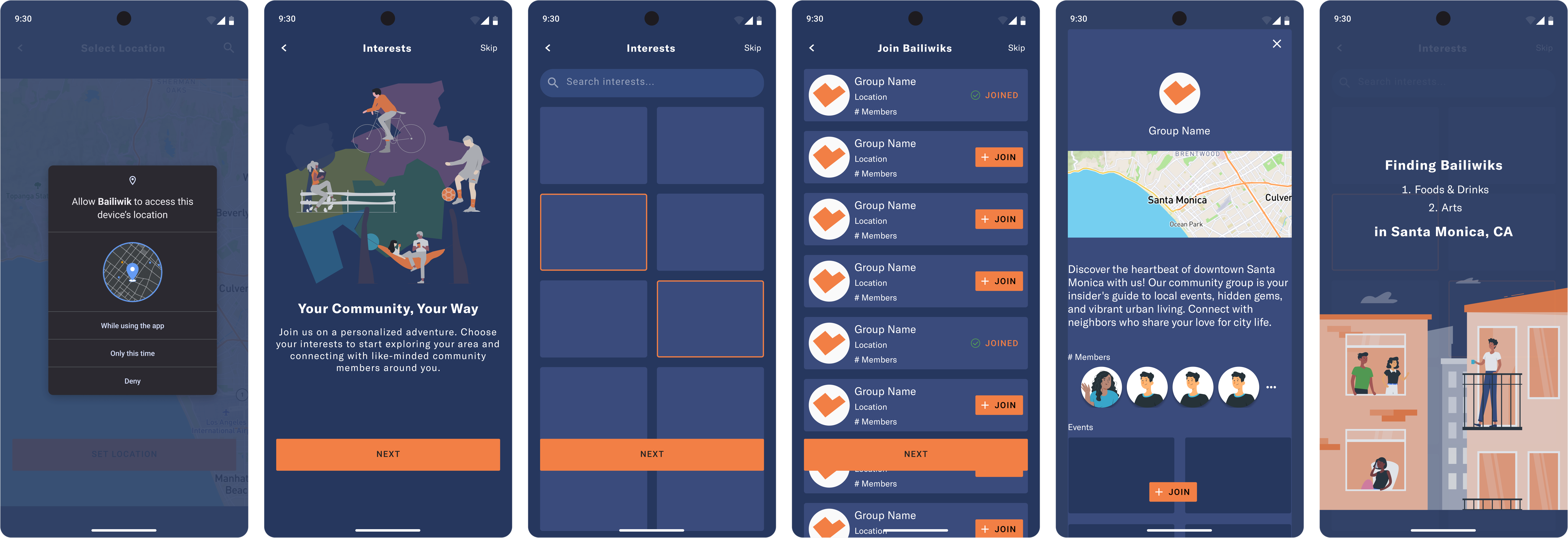
From 12 steps to 6, with two that matter most
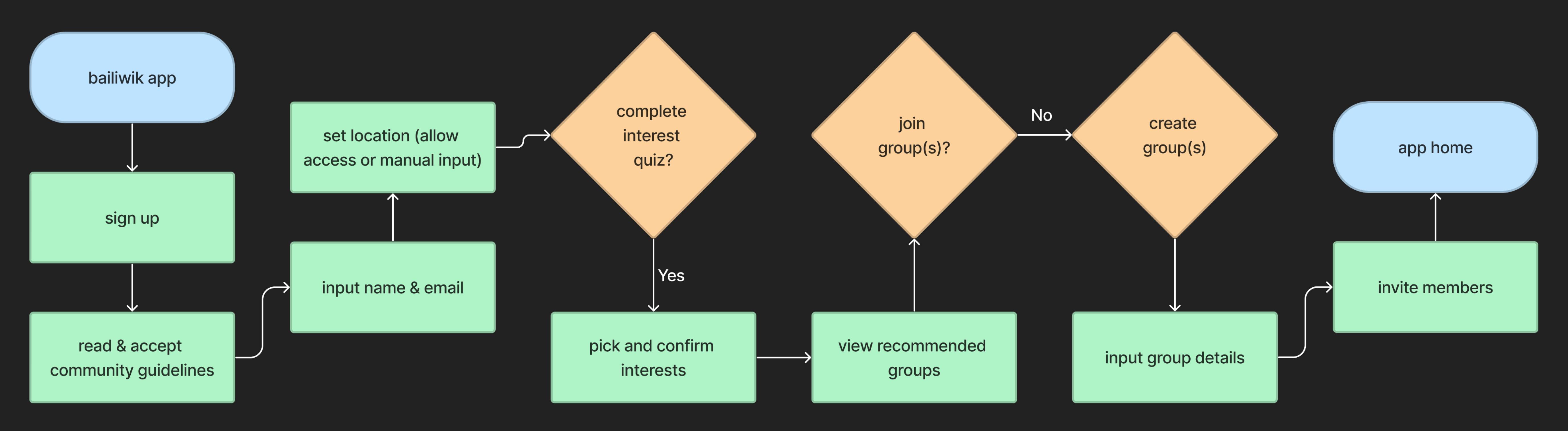
The existing onboarding had over 12 screens and unclear instructions. Most hosts never made it through. I streamlined the flow to 6 clear steps with a prominent call to action to create a community upfront.
The real insight was 2 optional screens at the end: invite members and create a first event. Not a bonus — a deliberate design decision. A host who seeds their community during onboarding gives the first member something to join. An active community from day one beats an empty one every time.
What comes next
With more resources, the next step is clear: redesign the member onboarding flow and build the Interests feature so the platform can match people to communities based on what they actually care about. That's the product gap the research uncovered and the fix that would make Bailiwik worth coming back to.
One thing I'd do differently: get to scope clarity earlier. In a resource-constrained project, every week spent on the wrong problem is a week the right solution doesn't get built.